
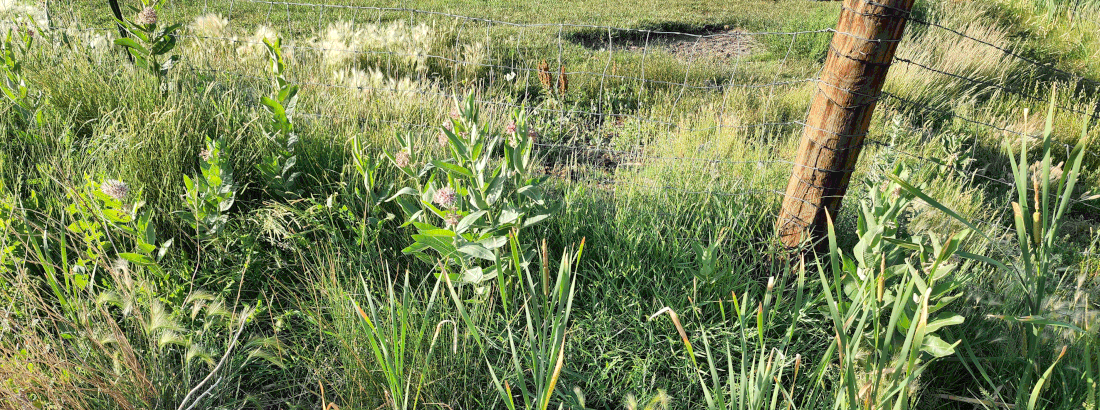
 I was so excited to see these growing along a ditch this year. I'm sure I pulled many Milkweeds out of the ground when I was younger. Now I don't see them anywhere. I've been trying to grow some in my yard, but I'm so much better at killing plants than nurturing them. But, this year, I finally found the right combination and got these beauties to grow and bloom. 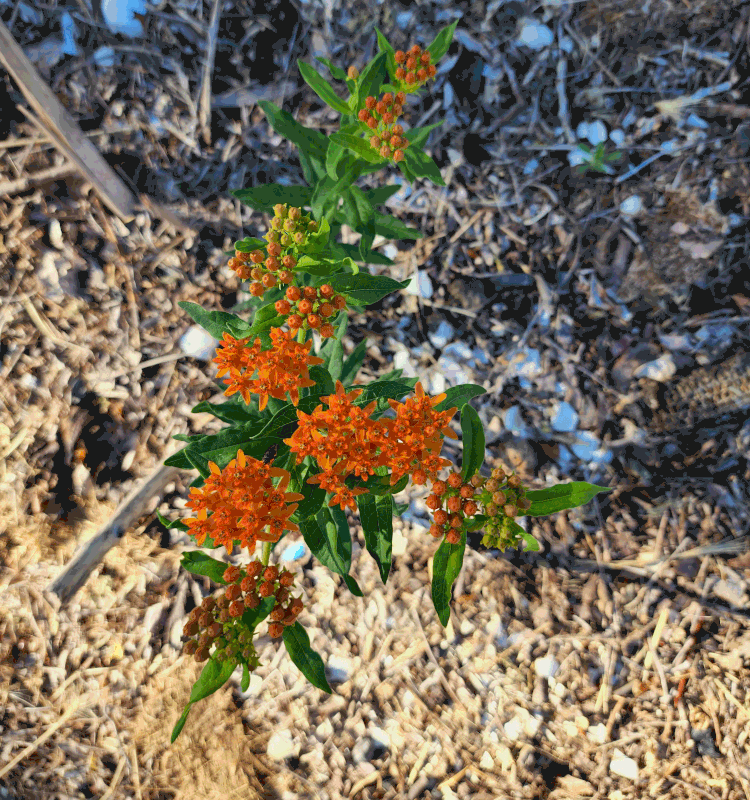 It seems a little strange that a group of native wildflowers could be so important and mean so much to people. But Milkweeds/Butterflyweeds are getting to be a big deal. I've been trying to decide how to share my fun flower pictures and flower excitement for a while. Today, the International Union for the Conservation of Nature listed the Monarch Butterfly as an Endangered Species. The Monarch has been a topic for many years as we watch their numbers decline. A lot of times there isn't much a single person can do when it comes to saving an entire species, but this case is different. One of the primary reasons for the decline of the Monarch Butterfly is loss of habitat and food. That habitat and food comes solely from the Milkweed family. Each area across the nation has its own type of Milkweed. These two are the native varieties for Utah. The butterflies eat the nectar from the flowers and lay their eggs on the leaves. Without Milkweed, we have no Monarchs. 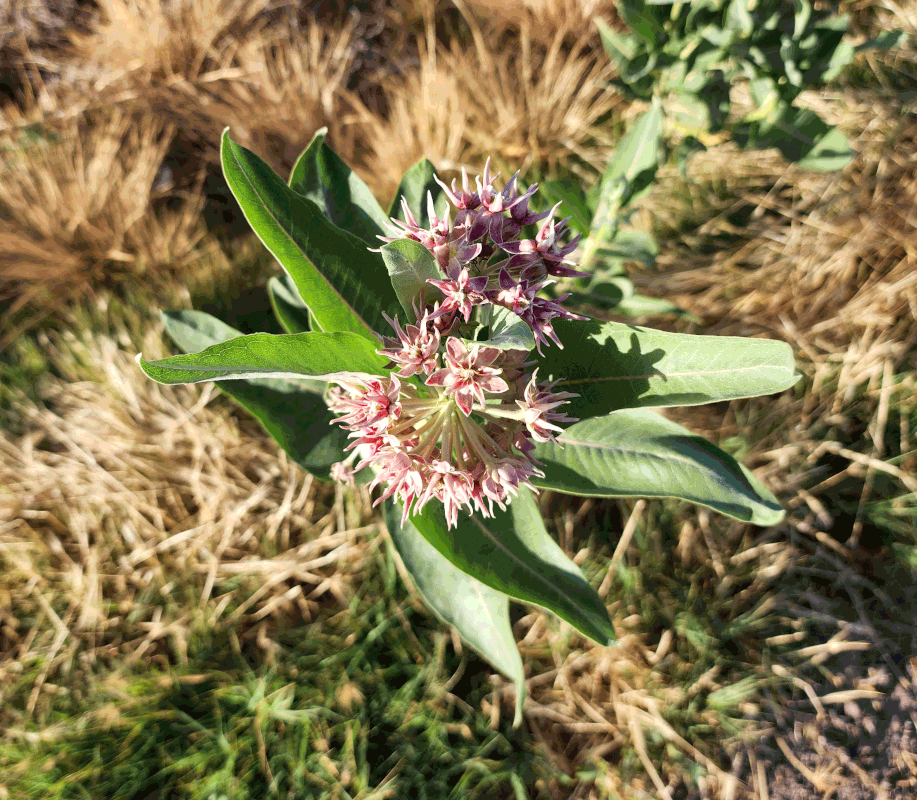 A Milkweed here and a milkweed there, may not be enough. But every time someone leaves a native Milkweed to grow and every time someone puts a few plants in their yard, it adds up, creating a network of habitat. That network of habitat allows the Monarchs to live and safely make their annual north and south migration. Besides, who doesn't want to sit outside on a cool evening and watch the butterflies flying around their yard.
0 Comments
Your comment will be posted after it is approved.
Leave a Reply. |
AuthorLandscape Architect, Lover of the Outdoors, and Caretaker of a Husky. Archives
July 2024
Categories |
 RSS Feed
Site powered by Weebly. Managed by SiteGround