
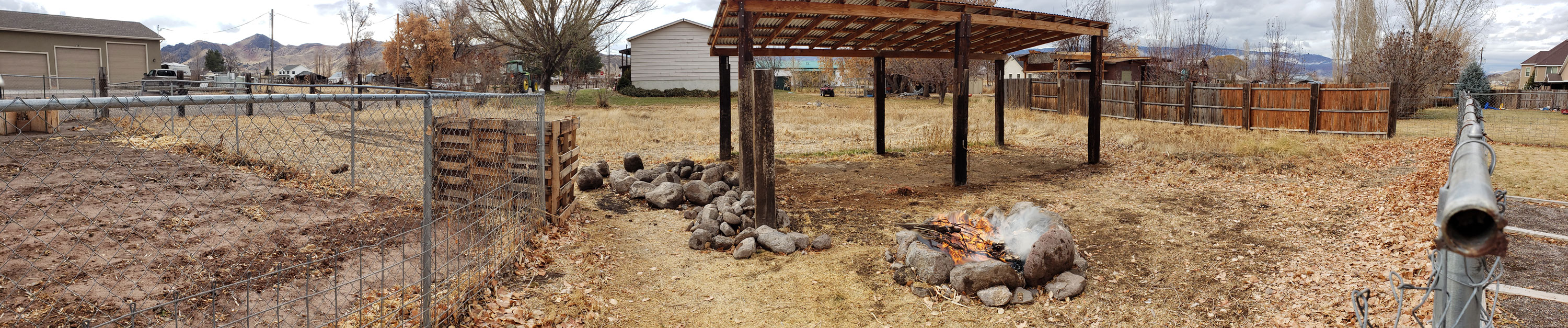
 I get a lot of people who wonder what my yard looks like. It wont be on a garden tour anytime soon. We spent a lovely afternoon here in our picnic spot. I'm sure a few neighbors thought we were a little weird as we roasted hot dogs among the weeds. I frequently don't see my yard as it is, but as it someday will be. So this week we are daring to dream and looking at how a yard can develop into something wonderful even when the yearly budget is low. So welcome to the visual journey of our plan for the back lot. 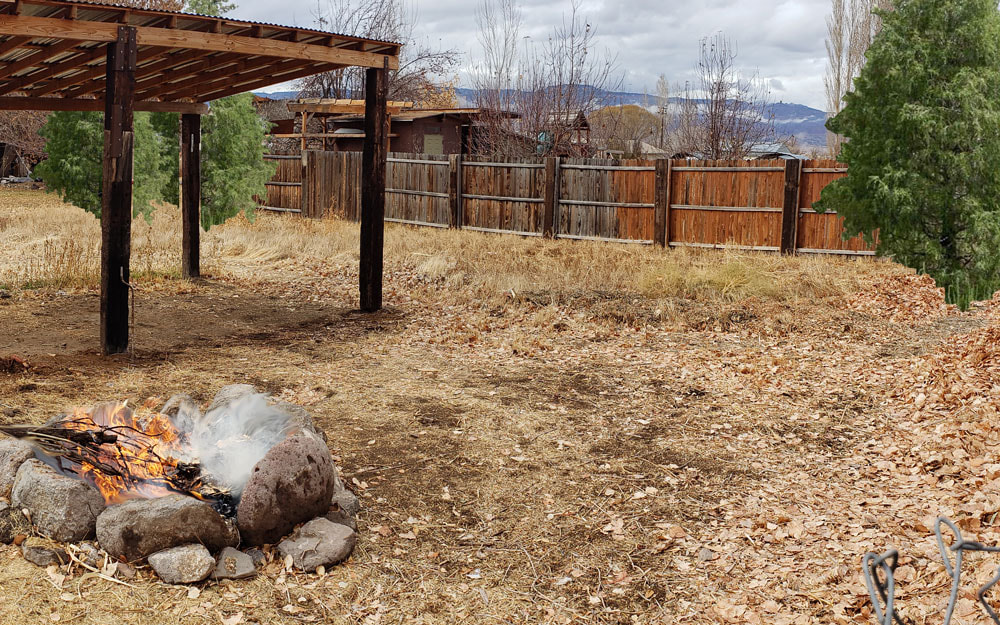 Our first goal is to create some year round privacy and color. This will be a xeric, native garden area (our not so mountainous retreat). So we will plant some juniper trees in the corners to provide the initial structure. They will also help to provide some shade on the house and main yard in the evening. 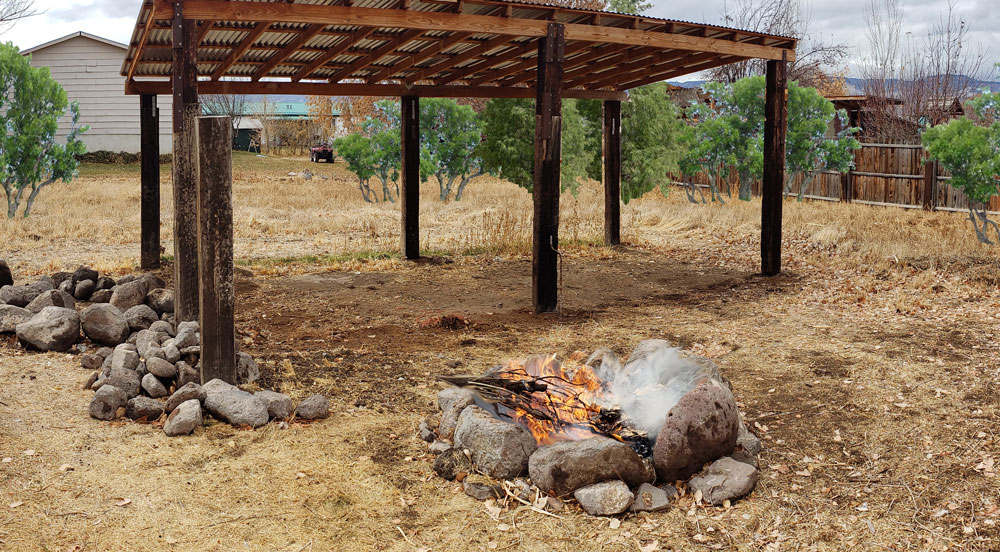 To continue the screen we will plant some Scrub Oaks along the fence lines and in other key areas throughout the lot. These will help to shade the "Picnic Shelter" and make the space more comfortable in the summer. 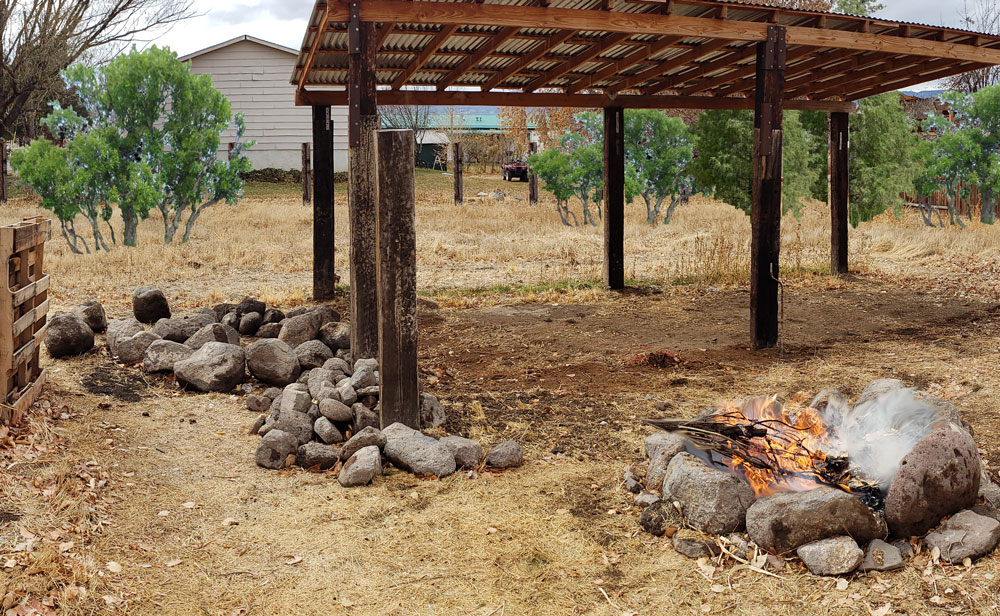 Sebastian is looking forward to the day that we get the yard fully fenced and securely fenced. So early on in the construction we will extend the fence out so that he can safely run and run and run. It will also help to save the young plants from getting eaten by the deer. 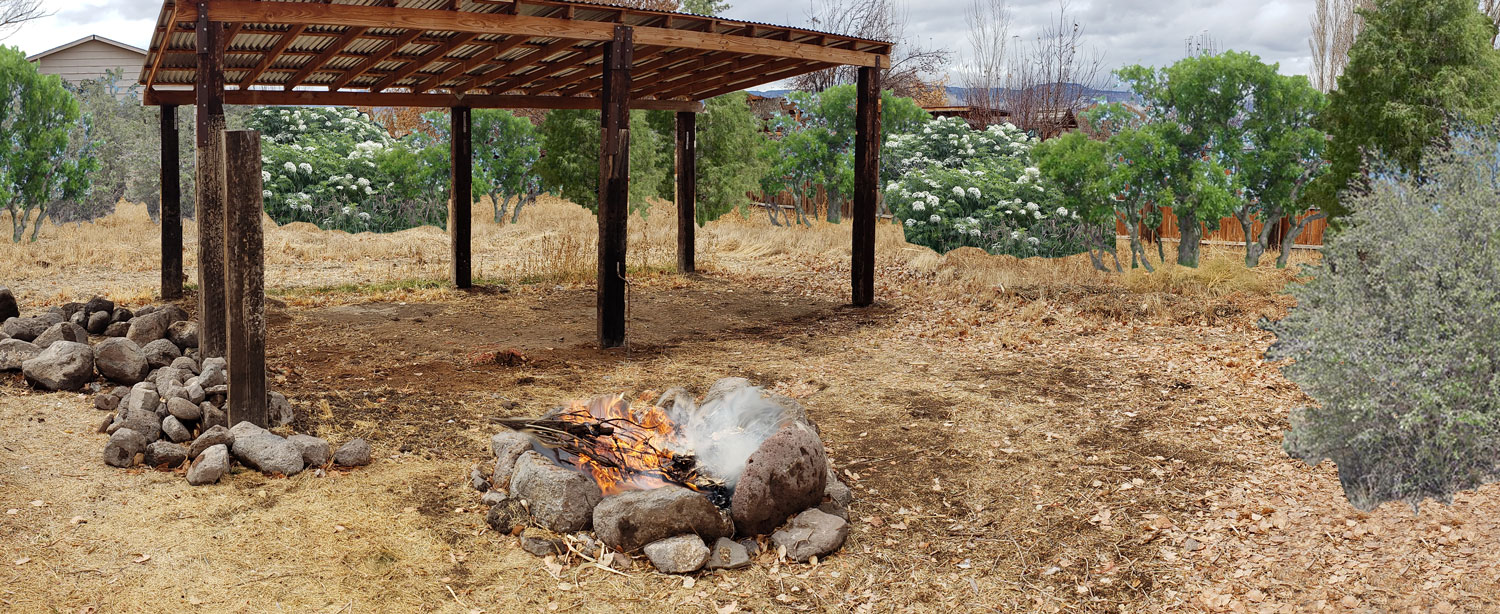 We really like multi-purpose plants, so a fair amount of space will be taken up by berry bushes like Serviceberries and Elderberries. They will provide screening, shading, and food for us and any critters that make it into the yard. 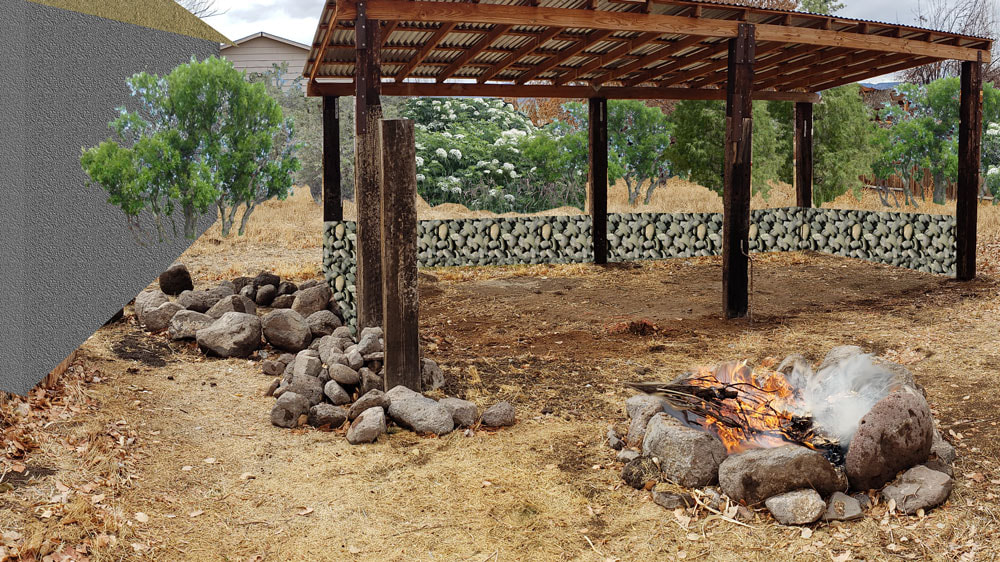 The hope is to put in a garage before we get to far along, but it may have to wait until the end. Large items always take more time to save up for than a shrub here and there. It would also be nice to rock in the shelter some for added protection from the elements and possibly extra seating. It also helps to get rid of our excess rock pile. 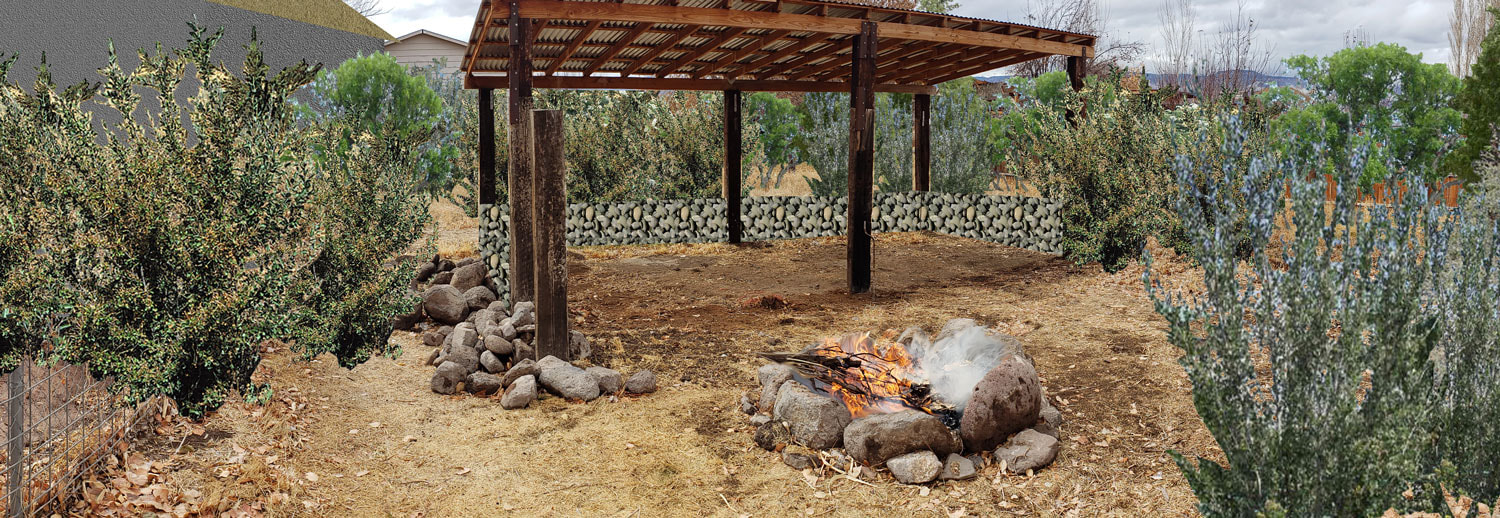 Then we'll start filling in with other large shrubs, like Mountain Mahogany. This will be when we start to define walking paths, screening areas, additional seating areas, and so on. 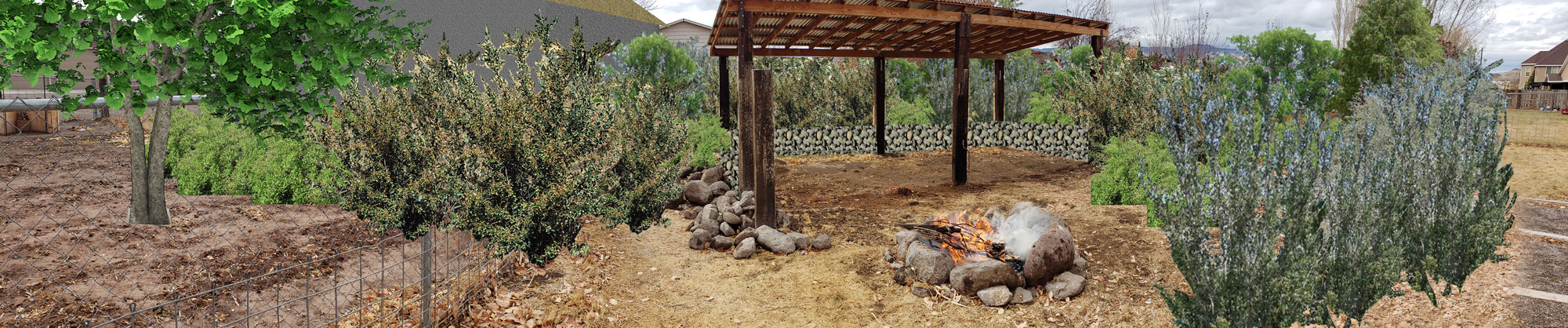 Once the spaces are defined we can start filling in with smaller shrubs. We may even move the garden and plant in front of the garage, then we wont have to look at it. 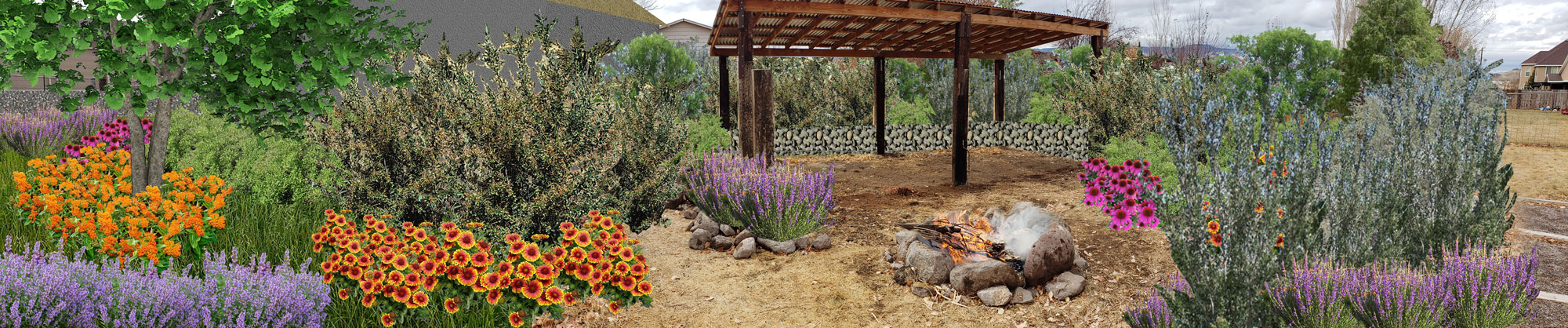 That's when it gets really fun and we can start adding in grasses and perennials to cover the ground plane and add pops of color. Its also great for attracting bees, butterflies, and dragonflies so we have more reason to sit back here on a lazy Saturday afternoon. 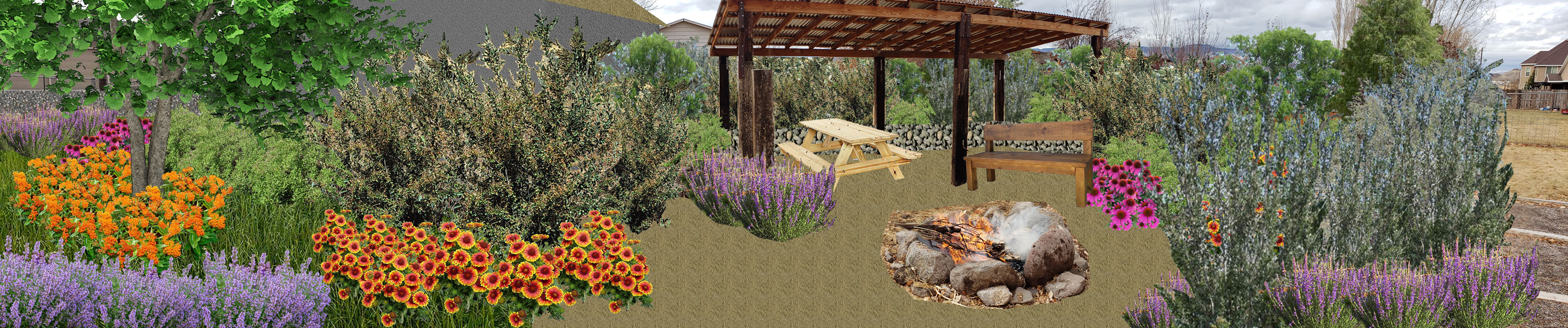 We will finish off with walking paths and some furniture. It is going to take a while to put all the plants in and have them grow enough to accomplish our goals. But in the end it will provide us a comfortable place to enjoy the outdoors, a sense of being in the mountains (right out our back door), fruit for yummy treats, and an easy to maintain, low-water landscape (which will help keep those annoying weeds away). And it can all be done over time, as the budget allows.
0 Comments
Lots of places offer landscape design services and many of those will tell you about their designer's years of experience. So why is there a distinction between a Landscape Designer and a Landscape Architect.
A Landscape Designer can be anyone. They may have a degree in Landscape Architecture. They may have a degree in Horticulture. They may have years of experience working for a Nursery or Landscape Contractor. A Landscape Designer could be anyone with any amount of experience. So if you are considering hiring someone who is a designer, you really need to pay attention to what kind of training they have and what their experience is like. Some designers are really good, but their is no minimum standard for being a Landscape Designer. A Landscape Architect is required to be licensed. That license means they have at least a bachelors degree in Landscape Architecture and have passed a national exam. That national exam includes design, lighting, grading and drainage, conceptualizing, planning, and a lot more. The test is difficult enough that less than 20% of people pass the test the first time. Many states require two years of work experience before they will allow you to take the test. Many states also require that a Landscape Architect participates in continuing education to maintain their license. So while it is still important to verify the experience of a Landscape Architect, you already know that they meet the state's minimum requirements and competency for performing the work. A Licensed Landscape Architect is also a Certified Irrigation Designer and can prepare Site Plans. A good designer, licensed or otherwise, will have a variety of experience and a system that involves the client. Many contractors and nurseries offer a basic design service where they will put plants on a plan for you. It is very affordable. Consider though, you will have to live with that yard for years. It is what you see every time you come home. Its where you spend time on the weekends. Your yard should be a reflection of you, your house, and how you will use it for years to come. |
AuthorLandscape Architect, Lover of the Outdoors, and Caretaker of a Husky. Archives
July 2024
Categories |
 RSS Feed
Site powered by Weebly. Managed by SiteGround