
|
There is nothing so annoying as putting in a new plant just to go out a few months later and see that the neighborhood wildlife has been feasting on your plants. Some animals tend not to eat certain plants, but when an animal is hungry and has nothing else, they will eat anything. So here are 10 plants that should be avoided when hungry animals are anywhere nearby. 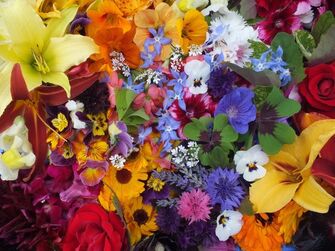 In no particular order: 1 - Cercis canadensis (Eastern Redbud) - a beautiful small tree and loved by many animals 2 - Euonymus - a popular hedge bush with varieties including variegated leaves and Burning Bush all of which are super tasty to wildlife. 3 - Hemerocallis (Daylily) - they come in varieties other than yellow and all make a sweet treat for animals. 4 - Hosta - they are great for shade, have lots of varieties and animals will eat them like crazy. 5 - Rosa (Roses) - they look mean, but they taste so sweet to those crazy animals. 6 - Tulipa (Tulips) - tasty on top and tasty on bottom, animals will leave nothing behind. 7 - Violas or Pansies - It doesn't matter that winter cold might kill them because they aren't likely to make it through summer. 8 - Berberis (Barberry) - tasty to rabbits and other critters, their berries will bring hungry animals running. 9 - Prunus cistina (Purpleleaf Sandcherry) - not as thorny as Barberries, but just as tasty. 10 - Aster - Lots of varieties to tempt those little critters into dining at your yard. 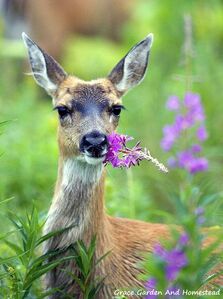 Is there anything to watch for in animal resistant plants?
Many animals do not like strong smelling plants, so even though there is no guarantee and Voles and Gophers will eat anything green and juicy, there are a few plants that are safer than others. Consider planting Alliums (Garlic, Onions), Salvia (Sages), Nepeta (Catmint), Mentha (Mints), Geraniums, or other plants which are tough, prickly or fuzzy. Though, don't think evergreen needles are safe, they might be pointy but some are still tasty. Also consider planting native plants since they are used to adapting to the native wildlife and may be able to handle the munching.
0 Comments
With the leaves falling, and blowing wildly around us, it makes me think of all the fun plants and the variety of fall colors they bring into the landscape. One of the most popular fall plants is the Burning Bush. 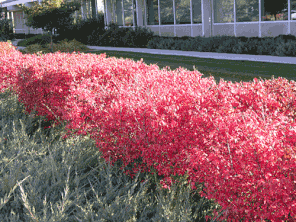 Euonymus alatus 'Compacta' or Dwarf Burning Bush is the most popular variety, though there are variations that will range from 5 feet tall to 20 feet tall. A tolerant and hardy green bush in spring and fall, with nondescript white flowers, the burning bush is known for the reliable brilliant red leaves in fall. The bush does well left in a natural form or pruned as a hedge for a more formal look. It is moderate on its water use and loves sun, but can handle part shade. 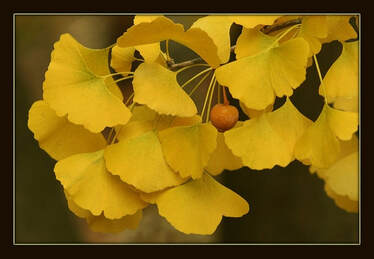 Ginkgo biloba 'Autumn Gold' - Autumn Gold Maidenhair Tree is a unique 50 foot tall tree with a brilliant golden color in the fall. A wonderful shade tree the Ginkgo has a distinct fan shaped leaf. The Ginkgo is one of the oldest tree species and is the last remaining in its plant division, all of the other species are now extinct. Look for male Ginkgos to avoid the messy fruits. Ginkgos come in several varieties with a spread of 15 to 30 feet. The trees require minimal water and are not too picky on maintenance. 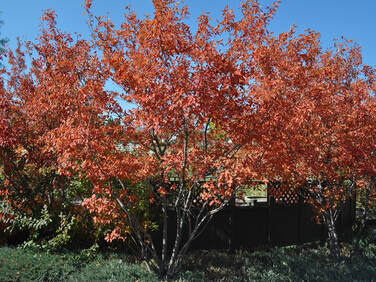 Amelanchier x grandiflora 'Autumn Brilliance' - Autumn Brilliance Serviceberry is a small, shrubby tree. It is hardy, drought tolerant and doesn't require a lot of water. Plants get about 25 feet tall and 10 feet wide. They make a nice small area tree, or shrubby screen. The trees have beautiful, pure white flowers in spring which are followed by edible purple berries. The berries look and taste like blueberries. Which is great for our climate since blueberries don't grow as reliably well here. The berries work well in jams or for snacking. 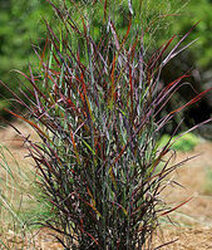 Panicum virgatum 'Hot Rod' - Hot Rod Switch Grass wont make you wait for spring to see it change color. This ornamental grass gets four feet tall and about three feet wide. The water use is low once the grass is established. Each spring the grassy blades emerge a beautiful blue-green color. As the season progresses the blades pick up red tints until fall when the whole plant turns a lovely burgundy color. Look for red seed heads to emerge around July. As with all ornamental grasses the only maintenance they take is to be cut back while dormant. Leave the dried grass until February for added winter interest in your garden. 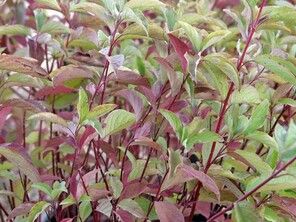 Cornus sericea 'Isanti' - Isanti Dogwood will grow five feet tall and eight feet wide. The bright red stems and green leaves host white flower clusters in spring. The green leaves turn purple-red in the fall and give way to the bright red stem in winter. This is a great plant for providing year-round interest without requiring maintenance. Dogwood like part shade and moderate water. If you like a little more summer interest look for Cornus alba 'Variegata' to provide a cream and green variegated leaf.
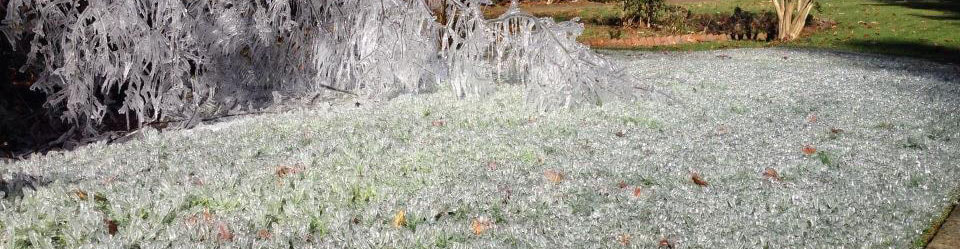 It was surprising last week when I went walking in the morning and several houses in the neighborhood looked like the image above. I see the farmers coating their fields in ice, but to see half a dozen homes with lawns of sharp, pointy icicles was something new.
So what does happen when we accidentally freeze our plants? Lawn is fine with a layer of frost and is adapted to being frozen with snow in the winter. But during the fall, lawn under goes a process to change from the flexible green leaves we love to a more durable brown leaf in the winter. The winter change helps the leaf blades to handle the freezing temperatures and moisture. Being coated in ice during the fall can cause cell damage to the leaf blades and, if stepped on, will break the grass blade. Damage in the fall can slow down the return from dormancy in the spring, allow for diseases or even cause lawn death. So how do we care for our lawn in the fall? Never water lawn overnight when the temperatures will be near freezing. Lawns need less water starting in September and sometimes wont need additional water in October. If Mother Nature is not cooperating come October, consider watering, no more than once per week, during the day. Plants will take up the most nutrients and water between temperatures of 50 and 60 degrees. During the fall your plants are working to go into dormancy, part of dormancy is having less water, so over-watering in fall can cause your plants to not be ready for winter. Fall is also a good time to apply a fall fertilizer and aerate your lawn. In dry climates, like ours, lawns also like to be left a little long. If the lawn is too short, it will need more water during the winter and spring. If the lawn is too long (matting down), then the lawn will be more susceptible to disease and damage. Fall is also a great time to spray those pesky weeds. Spraying weeds after the first frost and before dormancy will increase your chances of killing the weed roots and can decrease your weeds come spring. Putting the lawn to bed for winter in a healthy way will help it be stronger and greener come spring and summer. It is our new fall tradition to drive up and see the fall colors at Fish Lake. Last year the fall leaves and fish were just beautiful. We were a little early for the leaves this year, though the "Heart" is nice and red, but the Salmon weren't stream spawning this year (the boys were very sad about that). Sebastian still had fun romping around and sniffing everything he could get his nose on. He definitely enjoyed the new boardwalk, which will be great when any of the fish are spawning. I'm sure there will be many little hands reaching over the edge to dip their fingers in the water and try to pet the fish. It made for a lovely afternoon and we had lots of fun looking at and identifying various native plants on the way home. We look forward to the day that we will have our own little native forest in our backyard.
|
AuthorLandscape Architect, Lover of the Outdoors, and Caretaker of a Husky. Archives
July 2024
Categories |
 RSS Feed
Site powered by Weebly. Managed by SiteGround