
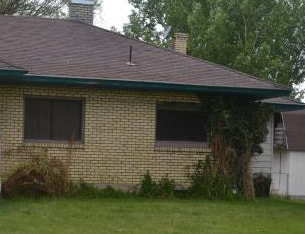
 We've talked about maintenance before and it really isn't that exciting, but most residents are hesitant to do more with their yards because of the perceived work that is involved. They do something nice and before they know it the weeds have taken over again and they decide it just isn't worth the work. The following maintenance suggestions come from the lead horticulturist at the Conservation Garden Park in West Jordan. He's been managing weeds in acres of landscape for years now.
First Tip: Never let a weed go to seed. Many weeds distribute by seed, so if the plant is removed before seeds are developed, then it can't reproduce. This doesn't mean you have to be checking on weeds daily, once a week is usually enough. A few extra minutes when you mow the lawn can save hours of weeding. Second Tip: Apply pre-emergent to your lawn in early spring when the Forsythias bloom to avoid crabgrass. Spray the dandelions in spring when the Lilacs are in bloom and in the fall when the leaves turn colors to prevent spreading. If you are nervous about Round-Up, a selective, broad-leaf weed killer is fine. Third Tip: To help prevent weeds in the first place, try not to disturb the soil (tilling, digging, etc). Disturbing the soil helps to germinate weed seeds. Apply properly composted mulch, 3 inches deep in any area that does not have a groundcover or grass. Use drip irrigation where possible. The weeds need water too and if the water is only around the plants it is harder for the weeds to grow. Only fertilize with what is needed and when it is needed. Fourth Tip: It is more ecologically friendly if you pull the weeds whenever you can. But to successfully kill a weed you need to be able to get all of the roots. A weed knife can be very helpful for pulling weeds. I use a dandelion digger. But, if you have Field Bindweed (and who doesn't) the weeds can grow 10 feet below ground and create a second tier of roots 5 feet below ground (makes since now why the weeds never die). This means the only method of control is to spray the weeds. Selective sprays like Weed-B-Gone and 2-4D work fairly well. Broad Spectrum sprays containing Glysophate like Round-Up and Killzall can work better, though they may kill more than you intended. A new rage is to use more "organic" solutions containing Vinegar, Salt, or Epsom Salts. The problem is that vinegar will only kill the plant above ground (all 10 feet of roots survive) and salt in any form will kill the soil and surrounding plants. Salt is very difficult to remove from the soil and requires a lot of water to leach it back out. You can try torching large bothersome areas, but the roots will still survive and if the roots aren't dead, the weed always comes back.
0 Comments
Your comment will be posted after it is approved.
Leave a Reply. |
AuthorLandscape Architect, Lover of the Outdoors, and Caretaker of a Husky. Archives
July 2024
Categories |
 RSS Feed
Site powered by Weebly. Managed by SiteGround